

How to Store Champagne Glasses Properly
Champagne glasses are commonly used in restaurants, hotels, weddings, banquets, and business events. Proper storage helps maintain their appearance, reduce the risk of breakage, and keep them ready for use. In this article, we will cover practical ways to store champagne glasses, from choosing a suitable storage location to cleaning, positioning, and protecting the glasses.
Understanding the Characteristics of Crystal Champagne Glasses
Champagne glasses often feature tall, slender shapes, with designs ranging from narrow flutes to tulip-shaped bowls. In the hospitality industry, both machine-made and hand-blown glassware are commonly used, depending on the product and application. Lead-free crystal glass is valued for its clarity and brilliance, and some hand-blown designs feature thin walls and delicate stems. These characteristics can make certain champagne glasses more vulnerable to impact than thicker, sturdier glassware. Proper handling, cleaning, and storage are therefore important for maintaining their condition.
Choosing the Right Storage Location
The first step in storing champagne glasses is to choose a clean, dry, and stable location. Keep the glasses away from areas where they may be knocked over, exposed to excessive heat, or subjected to sudden temperature changes. A dry environment also helps prevent dust and moisture from accumulating on the glassware.
A cabinet with shelves designed for glassware is a practical choice for homes, restaurants, and hotels. Closed cabinets help protect the glasses from dust and accidental contact. If open shelves or glass racks are used, make sure they are stable, level, and positioned away from busy walkways. For long-term storage or transportation, suitable glass storage boxes with individual compartments can provide additional protection.
Cleaning and Drying Before Storage
Before storing champagne glasses, wash them to remove wine residue, fingerprints, and other contaminants. Use warm water, a mild dishwashing detergent, and a soft sponge or cloth. Avoid abrasive cleaning tools, and check the manufacturer's care instructions before using specialized cleaning products, particularly on glasses with decorative coatings or gold rims.
After washing, rinse the glasses thoroughly and dry them with a soft, lint-free cloth. Pay particular attention to the bowl, stem, and base. Allowing the glasses to dry completely before storage helps prevent water spots and reduces moisture buildup inside cabinets or storage containers.
Storing Champagne Glasses Upright
For delicate stemware, storing the glasses upright, with the bowl facing up and the base resting on the shelf, is generally recommended. The rim is a vulnerable part of a champagne glass, so placing the glass upside down on its rim may increase the risk of chipping or damage.
Arrange the glasses in a row with enough space between them to prevent contact when they are removed or returned to the shelf. Avoid stacking champagne glasses unless the specific design is intended to be stackable. Glass racks designed for stemware can help keep the glasses organized and reduce accidental collisions.
Using Protective Liners and Covers
Protective liners can provide extra cushioning and help prevent glassware from sliding on shelves. Soft, non-abrasive shelf liners made from suitable materials are useful for cabinets and storage racks. Make sure the liners are clean and dry before placing the glasses on them.
For glasses that are not used frequently, individual protective sleeves or suitable storage boxes can help keep dust away and reduce the risk of scratches or accidental contact. Choose materials that will not scratch the glass or react with decorative finishes. If the glasses are being prepared for transport, use packaging specifically designed to cushion and separate each glass.
Avoiding Overcrowding
Avoid placing too many champagne glasses on the same shelf. When glasses are crowded together, they may collide as people reach for them, increasing the risk of scratches, chips, or breakage. Leave sufficient space between each glass and make sure the shelf can support the combined weight.

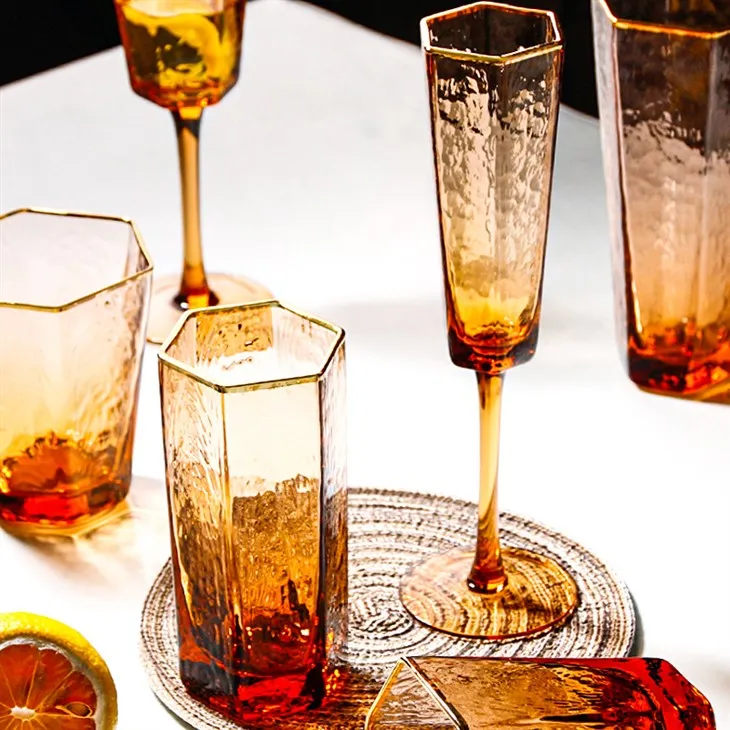
If you need to store a large quantity of glassware, consider using additional shelves, dedicated stemware racks, or compartmentalized storage boxes. In restaurants and hotels, organized storage can also make it easier for staff to access the glasses without disturbing the others.
Checking the Glasses and Storage Area Regularly
Even when champagne glasses are stored carefully, regular inspection is useful. Check for visible cracks, chips, or other damage before returning the glasses to service. Remove damaged glasses from use rather than continuing to use them.
It is also worth checking the storage area for dust, moisture, and signs of mold on shelves or liners. Clean the area when necessary and ensure that the glasses and storage materials are completely dry before putting them away again.
Conclusion
Proper storage helps preserve the appearance and condition of champagne glasses while reducing the risk of avoidable damage. Choosing a clean, dry location, washing and drying the glasses thoroughly, storing them upright, using suitable protective liners, and avoiding overcrowding are practical steps for both home and commercial settings. For restaurants, hotels, and other hospitality businesses, an organized storage system can also make daily handling more efficient and help keep glassware in good condition for service.
If you're in the market for high-quality champagne glasses, look no further. As a leading champagne glass supplier, we offer a wide range of styles, including the Textured Wine Glass, Classic Champagne Goblet, and Diagonal Champagne Glass. Our glasses are crafted from the finest crystal and are designed to enhance the champagne experience. Contact us today to discuss your requirements and start planning your next order.
References
- The Ultimate Guide to Wine Glass Care and Storage. Wine Enthusiast.
- How to Store Champagne Flutes. Martha Stewart.